
Mastering Emotional Control: Resisting Rage Bait in Relationships
Posted on January 25th, 2026
In the turbulent world of relationships, few things are as draining as getting sucked into a cycle of emotional provocation. You know the drill: your partner says or does something that pushes your buttons, and before you know it, you're fuming, ready to explode over what might, in hindsight, be trivial. This is often called "rage baiting"—intentional or unintentional behavior designed to elicit a strong emotional reaction. Whether it's passive-aggressive comments, exaggerated complaints, or outright provocations, falling for it can turn minor disagreements into full-blown arguments, leaving you exhausted and resentful.
But here's the good news: you don't have to play that game. By learning to maintain a level head, check your thoughts before they spiral, and prioritize your emotional well-being, you can break the cycle. This article will guide you through practical strategies to stay composed, avoid unnecessary blow-ups, and reclaim your peace. It's not about suppressing your feelings—it's about responding wisely instead of reacting impulsively.
Understanding Rage Bait and Its Toll
Rage bait isn't always malicious; sometimes it's a bad habit born from insecurity, stress, or poor communication skills. Regardless of intent, it thrives on your reaction. When you bite, it escalates the drama, reinforces the behavior, and drains your energy. Think about it: how many times have you stewed over a snide remark for hours, only to realize later it wasn't worth the mental real estate? That exhaustion isn't just emotional—it can lead to physical fatigue, strained relationships, and even resentment that builds over time.
The key to freedom? Recognizing that your response is within your control. By not engaging, you starve the bait of oxygen and model healthier interactions.
Staying Level-Headed in the Heat of the Moment
The "heat of the moment" is when rage bait hits hardest. Your adrenaline spikes, thoughts race, and suddenly, you're saying things you regret. Pause and breathe. The simplest tool is often the most powerful. When you feel that familiar surge of anger, stop everything. Take a deep breath—inhale for four counts, hold for four, exhale for four. This activates your parasympathetic nervous system, countering the fight-or-flight response. It buys you time to think instead of react. Practice this daily, even outside conflicts, so it becomes second nature.
Physically remove yourself. If breathing isn't enough, create space. Excuse yourself politely—"I need a minute to think"—and step away. Go for a walk, splash water on your face, or do a quick stretch. Distance disrupts the emotional momentum and prevents escalation. Remember, walking away isn't weakness; it's strategic self-preservation.
Reframe the situation. Ask yourself: "Is this about me, or is it her stuff?" Often, rage bait stems from the other person's issues—frustration at work, unmet needs, or even a bid for attention. Reframing it as "her rage baiting bullshit" detaches you emotionally. It reminds you that reacting gives her power; staying calm keeps it with you.
Use neutral language. If you must respond immediately, keep it factual and non-accusatory. Instead of "You're always trying to piss me off!", say "I'm feeling frustrated right now—can we talk about this later?" This de-escalates without invalidating your feelings.
Track these moments in a journal. Note what triggered you, how you responded, and what worked. Over time, patterns emerge, making it easier to anticipate and sidestep traps.
Checking Your Thoughts Before They Stew and Explode
Stewing is the silent killer—those hours or days replaying the incident in your mind, building a case against her until you erupt over something unrelated. It's tempting because it feels justified, but it's a trap that amplifies trivial bullshit into major drama. Identify cognitive distortions. Our brains love drama. Watch for all-or-nothing thinking ("She always does this"), catastrophizing ("This means our relationship is doomed"), or personalization ("This is all about me"). Challenge these: Is "always" true? What's the evidence? Replacing distortions with balanced views—"This is annoying, but it's not the end of the world"—reduces the emotional charge.
Set a time limit for rumination. Allow yourself a fixed window, say 10 minutes, to vent mentally or to a trusted friend. Then, consciously shift focus. Use a timer if needed. After that, redirect to something productive: exercise, a hobby, or work. This prevents trivial issues from snowballing.
Practice mindfulness or meditation. Apps like Headspace or Calm offer quick sessions on observing thoughts without judgment. When you notice stewing, label it—"Ah, there's anger again"—and let it pass like a cloud. Regular practice builds mental resilience, making it harder for rage bait to hook you.
Seek perspective. Talk to a neutral third party, but frame it as seeking advice, not validation. Or, imagine advising a friend in your shoes—what would you say? This external view often reveals how minor the issue really is.
By checking thoughts early, you avoid the buildup that leads to unnecessary explosions. It's like defusing a bomb before it ticks too far.
Why Keeping It in Check Is Worth the Effort
It's exhausting to go through the rage-react-regret cycle. Blowing up might feel cathartic in the moment, but it rarely solves anything and often worsens the dynamic. Keeping it in check, however, pays dividends. It preserves energy. Emotional blow-ups sap your mental bandwidth, leaving less for what matters—like personal growth, career, or enjoying life. It strengthens the relationship. Calm responses encourage better communication. Over time, she might drop the baiting if it stops working, or it opens doors to honest talks about underlying issues. It boosts self-respect. Mastering your reactions builds confidence. You're no longer at the mercy of someone else's moods; you're in control. It reduces long-term stress. Chronic anger links to health issues like high blood pressure or anxiety. Staying composed protects your well-being.
Tempting as it is to "blow up on her shit," restraint is the real power move. It turns you from reactant to leader in the relationship.
Conclusion: Your Path to Emotional Freedom
Resisting rage bait isn't about being a doormat—it's about choosing battles wisely and protecting your peace. Start small: pick one strategy, like the pause-and-breathe technique, and apply it consistently. Over time, it'll become habit, and those exhausting cycles will fade. Remember, if the baiting feels abusive or one-sided, consider professional help like couples therapy. But for everyday provocations, these tools empower you to stay level-headed, check your thoughts, and avoid the trap. You've got this—unlock that inner calm, and watch your relationships (and life) improve.
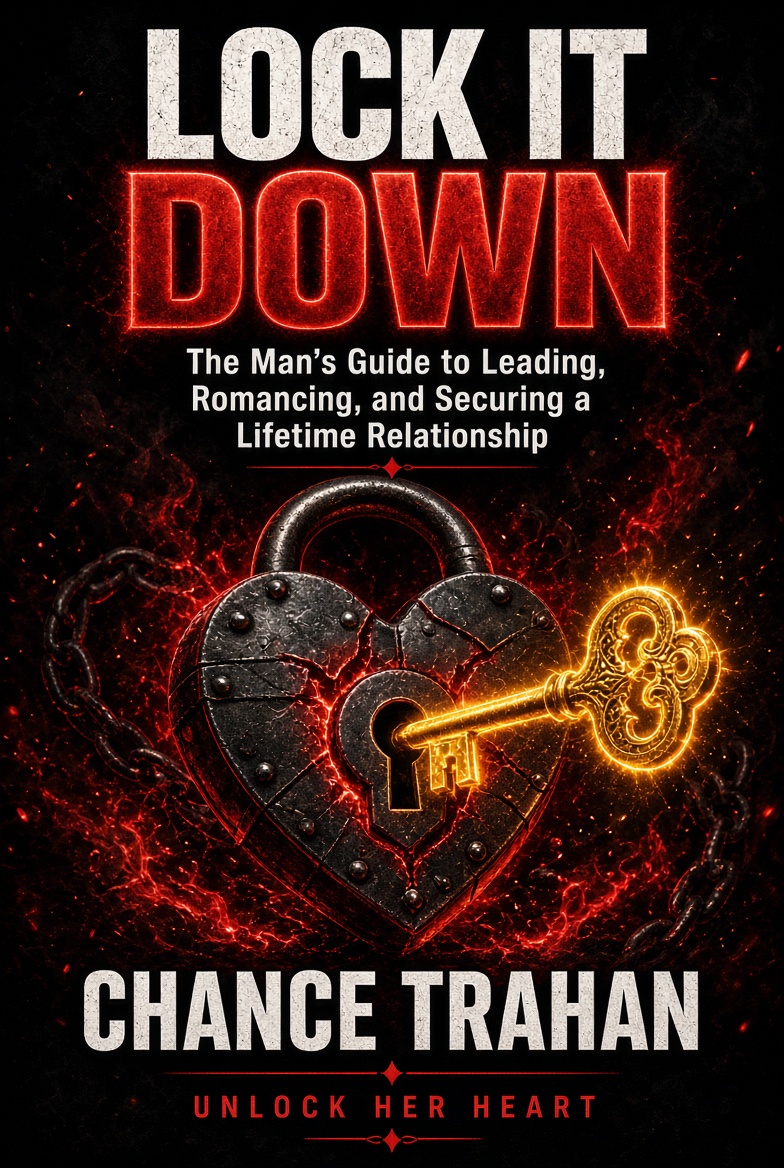
Resist the rage, win the game. Deep dive with the guide!